Autenticador

4.2



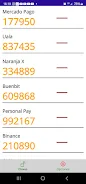
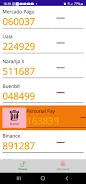

Autenticador is a lightweight security utility designed to generate time-based one-time passwords (TOTP) for stronger account protection. Autenticador presents each account's current numeric code alongside a visible countdown so you can use a secondary factor quickly during sign-in. The app is purpose-built to add an extra verification step without changing your primary password and to integrate into established two-step authentication workflows.
Autenticador creates short-lived numeric passcodes that rotate at regular intervals, making intercepted codes useless after they expire. Each passcode is generated locally using the standard TOTP algorithm, so the codes work with websites and services that implement time-based two-factor authentication. Because the generation happens on-device, the app functions while offline and does not require a constant network connection to produce valid one-time passwords.
The app focuses on a clear numeric display and an obvious time indicator so you can read and enter codes quickly during a login session. It supports the common TOTP formats used by many platforms, which helps ensure compatibility with email providers, cloud services, developer tools, and other accounts that offer two-step verification. Autenticador keeps the interface minimal to reduce friction when you need to retrieve a code under time pressure.
Autenticador emphasizes simple, fast interactions: open the app, find the account label, and read the current code and its remaining validity time. The layout is intended to make locating frequently used accounts quick and predictable, and the numeric digits are displayed in a legible size for ease of entry on a separate device. The app design avoids unnecessary menus so retrieving a code becomes a rapid, low-friction step during login flows.
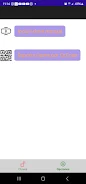
Adding an account follows standard TOTP setup conventions used by most services. During setup you supply the account label and the secret key provided by the website or application, and Autenticador will begin generating codes for that entry. Accounts can be labeled clearly to match the service they protect, and the app stores each entry locally so you can manage or remove items as needed. This straightforward management model keeps configuration transparent and easy to audit.
Because Autenticador generates codes based on time and a stored secret, it operates without transmitting your codes to external servers. This local generation reduces exposure to network-based interception and supports use on devices that are frequently offline. The short lifetime of each code helps reduce the effectiveness of replay and brute-force attacks, and using Autenticador in addition to a password provides a meaningful second factor for account sign-in.
The visual approach favors high contrast, clear typography, and a linear account list that is easy to scan. These choices are intended to help users with varying visual needs locate codes quickly. The interface avoids small, crowded elements so entering a numeric code under time constraints is easier and less error-prone. Autenticador is designed with pragmatic clarity rather than decorative complexity to keep focus on the security task.
Autenticador is an auxiliary authentication tool and does not replace a password or primary login method; it only generates secondary codes. Because codes expire quickly, you must enter them promptly during a sign-in process. The app requires the services you protect to support standard time-based two-step authentication in order to be effective. There is no cloud-based sharing of codes, and any recovery of accounts depends on how you choose to back up or retain secret keys outside the app.
When adopting Autenticador, label each account clearly so you can match codes to services easily during sign-in. Keep a secure copy of account setup keys or recovery codes in a safe location in case you change devices. Use Autenticador alongside existing password hygiene practices such as unique, strong passwords and breach monitoring to improve overall account security without adding unnecessary complexity to daily use.