I NEED TO BE IN LOVE

4.2






















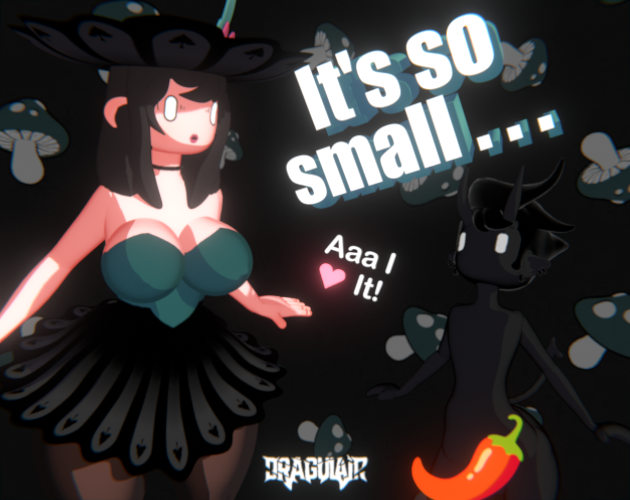
I NEED TO BE IN LOVE drops players into Moon Town with little more than uncertainty and a chance to remake their life, offering a story-focused life simulator where choice drives every outcome. You take control of a young protagonist left without parents, limited funds, and the freedom to shape a future by training skills, choosing a career path, and forming relationships that change both personal fortunes and the town around you. The opening scenes set the tone for a branching narrative that balances everyday management with dramatic interpersonal moments, and early decisions quickly reveal that I NEED TO BE IN LOVE prizes long-term consequence over quick fixes.
The core of the experience is a branching narrative with persistent consequences: your decisions affect friendships, rivalries, local politics, and the opportunities available later in the story. Character interactions are layered, with NPCs who reveal motives over time and shift their behavior in response to your actions, creating evolving alliances or grudges. Life-sim mechanics let you allocate time to physical training, skill development, and work, and those choices influence dialogue options, career trajectories, and how characters perceive you. Multiple romantic routes and alternative endings are supported, and the game accommodates varied gender identities and sexual orientations so relationship arcs can be tailored to your character. The tone remains mature and reflective rather than explicit, focusing on emotional stakes and narrative consequences.
Gameplay blends visual-novel style choice trees with resource and time management typical of a life simulation. Controls are touch-optimized and menu-driven for easy navigation: tap to advance scenes, select dialogue or actions from contextual menus, and use simple on-screen prompts to manage training sessions, work shifts, or social visits. Interaction with the town map opens location-based choices, and a clear journal keeps track of active objectives and relationship statuses. Decisions are signposted so you can weigh short-term gains against potentially permanent outcomes, and a readable UI helps new players learn pacing without feeling overwhelmed.
Progression is built around skill trees, reputation, and career development rather than level grinding. You invest time into attributes—such as physical fitness, charisma, or trade skills—which unlock new options in conversations and job opportunities. Career paths branch into distinct story threads, with each job offering unique challenges and social contacts that alter the town’s balance of power. Customization extends to your playable identity and appearance choices that influence how NPCs respond without being reduced to cosmetic differences alone. I NEED TO BE IN LOVE uses a menu of meaningful upgrades and social milestones that reward planning and encourage varied approaches on subsequent playthroughs.
The game presents Moon Town through character portraits, atmospheric backdrops, and cinematic event scenes that emphasize mood over high-action spectacle. Town locations are structured as discrete areas—markets, workplaces, residences, and social hubs—each with its own set of characters and potential story beats. Narrative progression is organized into chapters or day cycles that move the story forward while letting you revisit locations to pursue missed opportunities. Visual cues and subtle animation add life to encounters without demanding high-end hardware, keeping performance steady on a range of devices.
Replayability is a deliberate design focus: permanent consequences and branching outcomes mean the same decision can close some doors while opening others, prompting multiple playthroughs to explore different alliances, romances, and endings. Challenge comes from time and resource scarcity, moral dilemmas, and competing obligations; balancing work, training, and relationships creates strategic tension rather than arbitrary difficulty spikes. The game rewards experimentation and careful record-keeping, and different difficulty approaches—prioritizing survival, social influence, or romantic pursuits—offer varied pacing and satisfaction.
The title aims for wide accessibility with readable text sizes, predictable control mappings, and options to adjust text speed or skip previously seen scenes to accommodate diverse player needs. Menus are designed for clarity and the journal system helps players resume progress after a break. The single-player experience supports offline play so sessions are not tied to an internet connection, and save slots let you maintain alternate timelines to compare choices. Overall the game balances narrative depth with approachable mechanics to make Moon Town a place players can revisit and rethink on their own terms.