Hello Angry Neighbor Stories

4.3



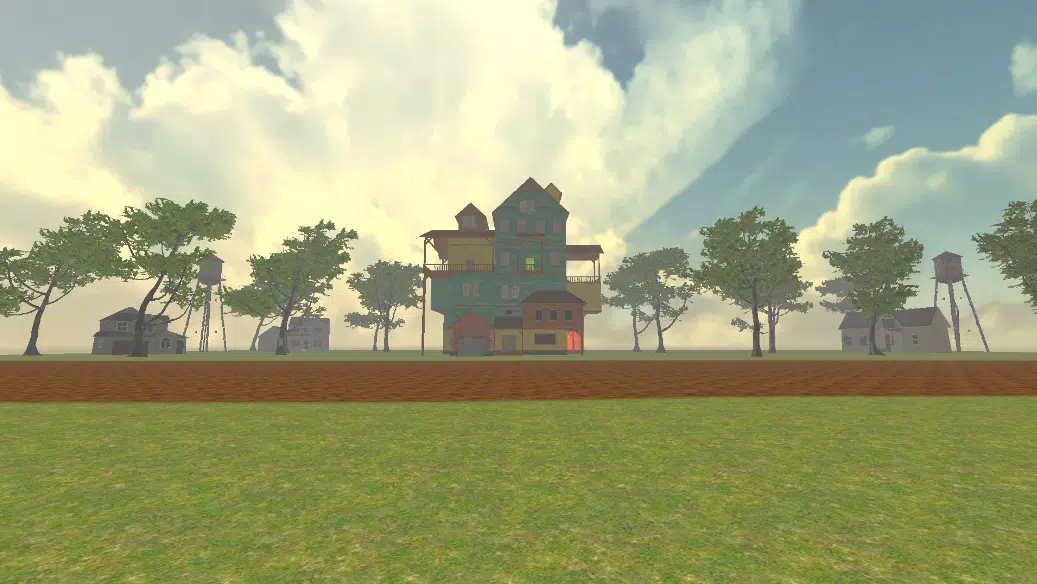
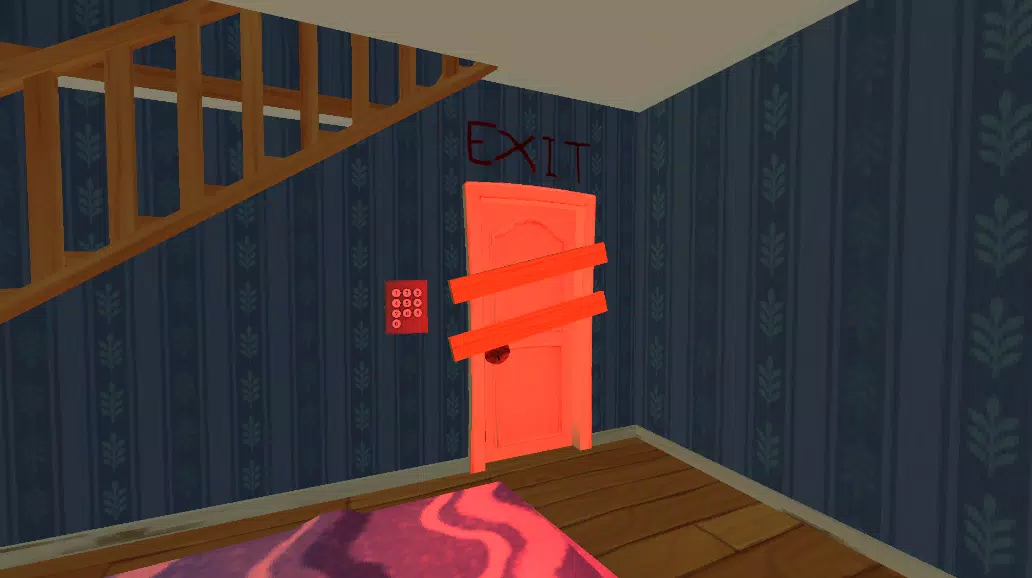
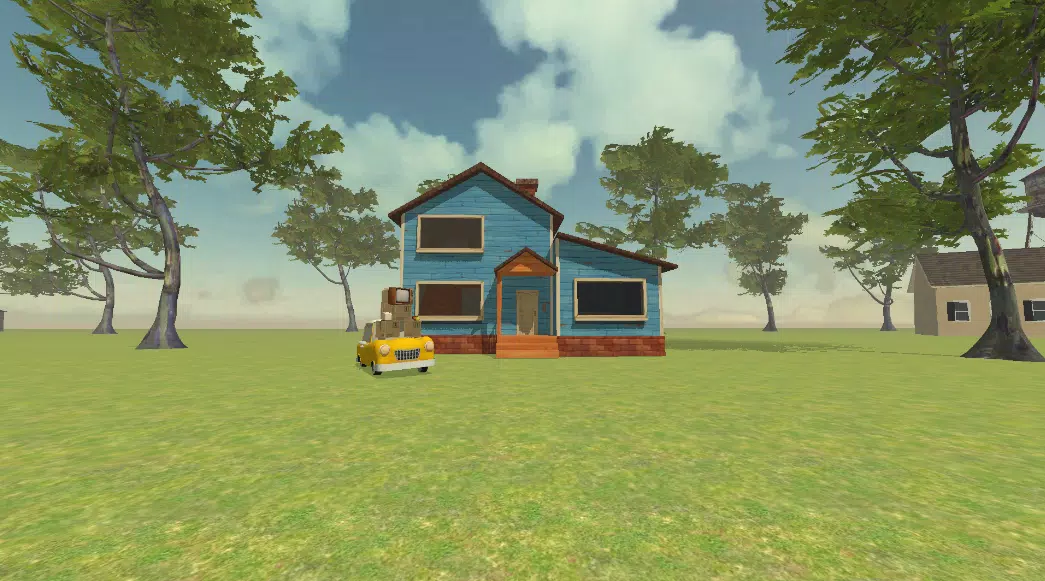
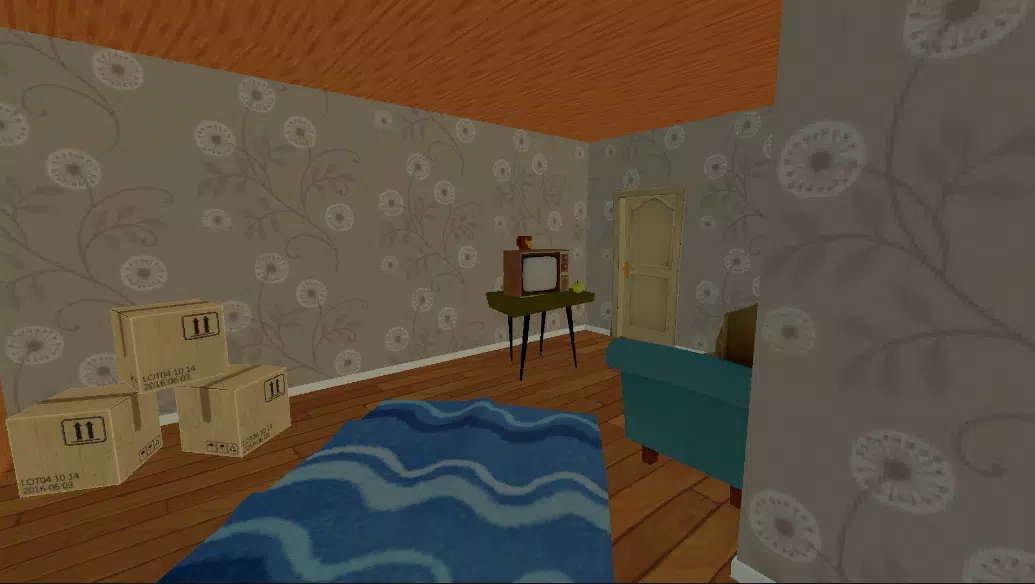
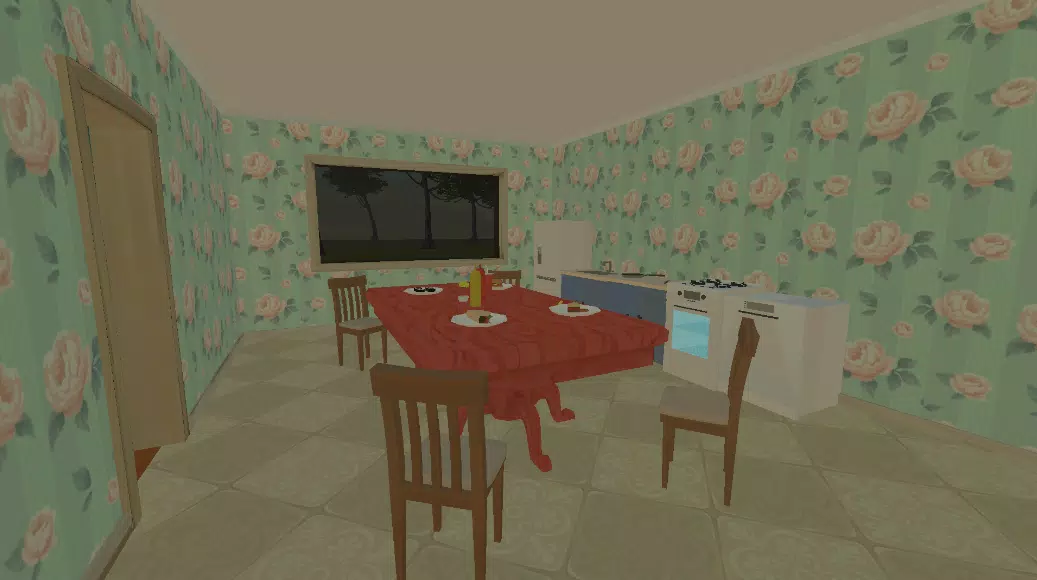
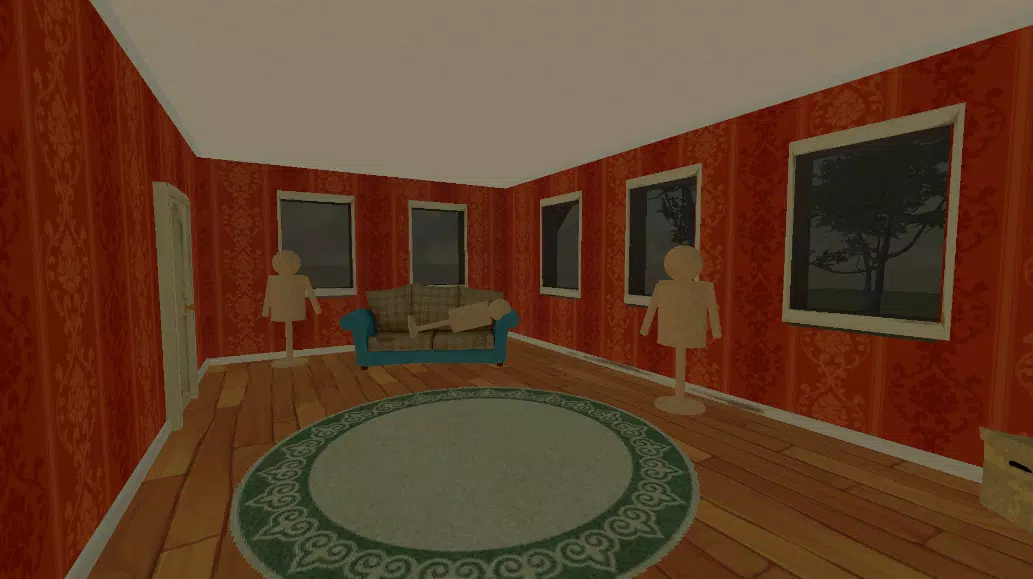
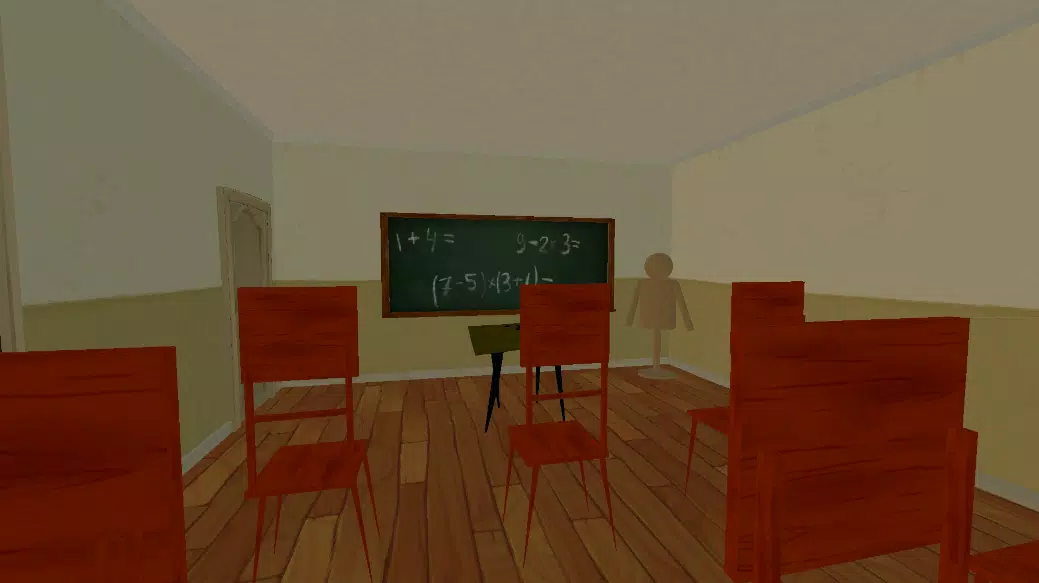
Hello Angry Neighbor Stories drops players into a sneaky, exploration-focused adventure where curiosity and timing drive the gameplay. In Hello Angry Neighbor Stories you slip into a five-story house across the street to discover why the grumpy neighbor boards his windows and what makes strange noises drift at night; the opening minutes set a tone of quiet investigation mixed with playful tension to encourage careful observation and repeated exploration.
The core loop centers on stealth, light puzzles and collectible-driven progression. You’ll search for colorful keys and glowing mystery cubes that reveal story fragments, open hidden doors and grant access to bonus areas. Movement is intentionally simple so players can focus on problem solving: approach windows and vents, hide in closets, peer around corners and time your movements to avoid comedic but unforgiving chases. The five-story layout includes distinct rooms and climbable shelves, vents and a shadowy basement that feels different each time you return.
Stealth encounters balance risk and reward rather than trying to frighten; patrol patterns are readable but require patience to learn, and chases are designed as fast-paced, humorous sequences that push you to experiment with escape routes and shortcuts. Environmental interactions are tactile: move boxes to create paths, flip switches to trigger new routes and use found keys to access locked secrets. A single physics-based breakable object in the basement gives players a satisfying moment of tangible impact without turning the game into an action title.
Controls are built for accessibility and short play sessions. Movement, camera and interaction are mapped to straightforward touch input so casual players can pick up the game quickly while stealth fans can fine-tune their approach. Sneaking and hiding are context-sensitive actions that happen naturally when you approach closets, underbeds or low furniture; the game rewards observation and planning rather than complex button combinations. On-screen prompts and simple tutorials introduce mechanics gradually so you can focus on exploration from the first room onward.
Progression is based on exploration and collectible discovery rather than grinding. Collectibles unlock secret paths and story snippets that piece together the neighbor’s backstory, and finding enough items opens alternate endings that encourage multiple playthroughs. Because the layout supports vertical exploration across five floors and a basement, new routes appear as you learn patrol patterns and experiment with environmental tools, which gives the game natural replay value without artificial gating. Hidden endings and bonus areas make each return feel rewarding for players who enjoy completionist challenges.
The visual approach is bright, colorful 3D that emphasizes readability: each room has a distinct palette and silhouette so items of interest stand out, and lighting cues guide your attention toward interactive elements. Level structure focuses on a single, complex dwelling rather than many disconnected levels, so familiarity matters; the more you explore, the more the house reveals secrets and shortcuts. Small touches like animated props, room-specific puzzles and a variety of furnishings create a lived-in environment that invites slow, deliberate play.
Designed as a single-player, offline experience, the game runs without constant internet access and saves progress locally to encourage uninterrupted sessions. Accessibility features aim to broaden the audience: adjustable difficulty options, readable subtitles for story fragments and a hint toggle to help players who prefer guidance. The interface prioritizes clarity, and short load times plus safe checkpoints make repeated attempts at tricky patrols less frustrating for casual gamers.
Challenge comes from learning neighbor patrol routes, timing chases and solving light environmental puzzles rather than reflex-only tests. Expect to retry sections as you map routines and test different hiding spots; these learning loops are part of the design and lead to satisfying discoveries. For new players, focus on room-by-room exploration to collect keys and cubes, use interactive objects to create alternative paths, and treat the basement as a late-game area where previously inaccessible secrets become reachable.
Hello Angry Neighbor Stories is best for players who enjoy stealth-lite games with collectible-driven secrets, environmental puzzles and a whimsical cat-and-mouse tone. It offers approachable controls, a single structured location with deep exploration potential and multiple endings that reward curiosity and methodical play. Whether you enjoy piecing together a layered narrative or replaying to uncover every hidden passage, Hello Angry Neighbor Stories delivers a repeatable, low-pressure stealth experience with bright visuals and accessible design.