Lucid

4.2


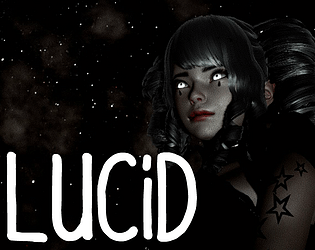

Lucid is a choice-driven adult visual novel that puts players inside a world of lucid dreaming and shifting realities. In Lucid you follow a young orphan who may belong to a hidden race called Lunes—beings who can interact with dreams, foresee possibilities, and shape fate. Players make decisions that affect relationships and story outcomes, exploring a blend of romance, mystery, and the psychology of dreams. If you enjoy narrative-focused games with branching paths, atmospheric storytelling, and morally ambiguous choices, Lucid offers a compact, character-driven experience built around the concept of perception and destiny.
⭐ Choice-driven narrative where player decisions shape multiple story paths and endings.
⭐ A dream-centered setting that explores lucid dreaming, fate manipulation, and the secretive race of Lunes.
⭐ Deep character interactions and relationship building that influence the protagonist’s journey.
⭐ Adult-oriented themes handled within an original, mature visual novel framework.
⭐ Original characters and events crafted to deliver a focused, replayable experience.
✅ Lucid offers an intriguing premise that mixes dream logic and emotional stakes for strong narrative engagement.
✅ Branching choices increase replayability and let players explore different outcomes and relationships.
✅ The game’s focus on original characters and scenarios keeps the story fresh and unpredictable.
✅ Developed by an indie creator with a clear personal vision, giving Lucid a distinctive creative voice.
❎ Lucid is an adult visual novel, so its content is restricted to mature audiences and may not suit all players.
❎ The game’s emphasis on story and choices means limited traditional action or puzzle gameplay for players seeking more interactivity.
❎ Its niche focus on lucid dreaming and a secretive race may not appeal to those preferring straightforward narratives.
MissFit, an independent programmer and storyteller, created Lucid to bring a personal dream-centered story to life. The title reflects a solo developer’s vision of combining choice-driven mechanics with themes of identity and perception.