NEURA: Neon Fantasy

4.2




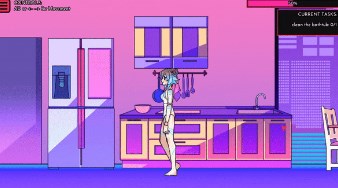
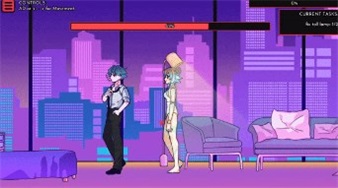
NEURA: Neon Fantasy is a single-player, adult-oriented simulation that places you in control of a constructed companion known as a lewdroid inside a compact, neon-tinted domestic space set roughly 200 years after the events of the narrative Where Girls Are Made. In this game the primary objective is to raise a visible satisfaction meter toward 100% by triggering scripted scenes and completing small interactive tasks; the design emphasizes character-focused choices and immediate, accessible interactions rather than combat or traditional level progressions.
NEURA: Neon Fantasy pairs two distinct scene systems to create variety within its confined environment: location-based triggers linked to specific objects and chore-based activities that act as short, structured mini-goals. Location triggers occur when you prompt interaction with set pieces such as the couch or the bed, while chore triggers send you on brief, context-driven errands—watering plants, searching the sofa, or tidying an area—that lead to follow-up scenes and incremental increases to the satisfaction meter. The visible progress bar provides clear feedback, making objectives and rewards easy to understand during short play sessions.
Gameplay centers on situational choices and timing rather than complex systems. Each scene is scripted but influenced by where you choose to interact and which chores you complete beforehand, so the order and selection of actions affect pacing and outcomes. The satisfaction meter functions as both a progression marker and a soft scoring system: reaching higher percentages unlocks additional interactions or extended scenes within the same environment. Encounters are designed for repeat play, with different combinations of triggers producing subtle variations to keep familiar scenarios feeling fresh.
Controls are intentionally straightforward to accommodate quick sessions and varied input devices. On touch screens, tap-based movement and interaction focus on the lower portion of the display for simplicity; on desktop or keyboard-enabled devices, standard left/right movement maps to A/Left and D/Right or the arrow keys. This dual control scheme supports players who prefer touch or keyboard input and lowers the barrier for new players. The interface emphasizes readable prompts and unobtrusive HUD elements so that the satisfaction meter and available interactions are always clear, improving accessibility for a wider range of users.
Progression in the game is paced by the satisfaction meter rather than by levels or experience points. The chore-based system supplies small, digestible challenges that reward attention to the environment, while location triggers reward exploration and timing. Players looking for a modest planning element will find it in deciding which chores to prioritize and which objects to investigate first; those who prefer a more relaxed experience can move through scenes at their own speed. The balance between predictable scripted moments and minor task-based variability provides a low-pressure yet engaging challenge loop.
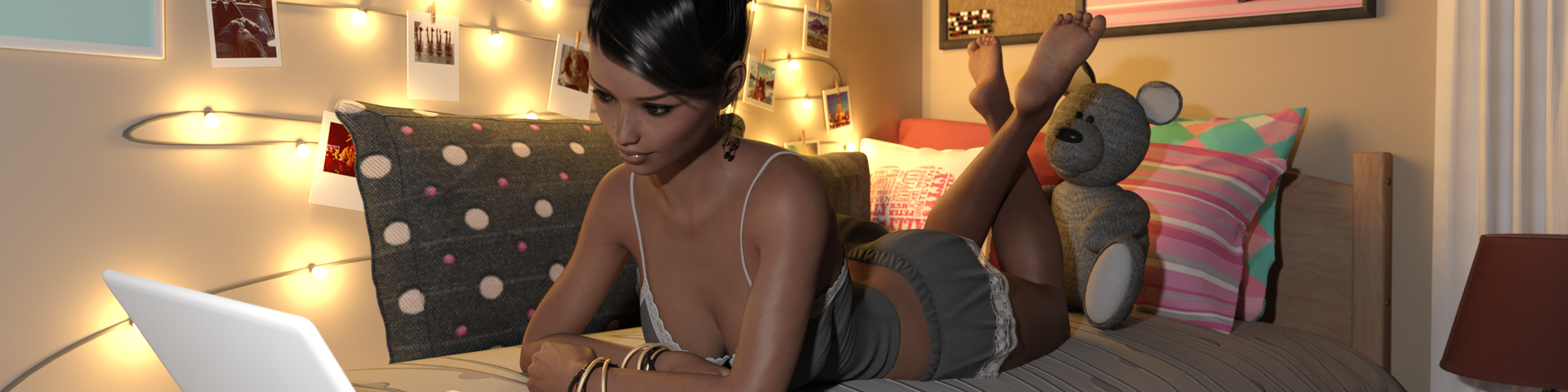
The aesthetic combines a domestic apartment layout with neon lighting and subtle futuristic details, reinforcing the game’s title and atmosphere. Environmental design focuses on small, interactable props and carefully staged scenes rather than large, explorable worlds; this compact approach supports tighter scripting and clearer cause-and-effect when you interact with objects. Narrative touches and environmental cues hint at the broader timeline established in Where Girls Are Made without requiring prior knowledge, giving the setting texture while keeping the experience self-contained.
Replay value comes from trying different sequences of interactions and chores to discover variant scenes and to optimize how quickly you can raise the satisfaction meter. Because scenes respond to both location choices and completed tasks, repeating playthroughs typically reveal new dialogue snippets, short variations in responses, and slightly different outcomes. The game is designed for short, repeatable sessions and supports offline single-player play, so you can access it without a persistent connection and return to it casually.
The title is an independent project led by developer Arisu, who aims to refine content based on player feedback and to iterate on scene variety and interface clarity. The development approach keeps the scope focused, letting the team concentrate on scripting, interaction polish, and accessibility improvements rather than broad feature expansion. Players who follow updates can expect periodic adjustments that improve flow and scene responsiveness.
NEURA: Neon Fantasy contains mature themes and is intended for adult audiences; it avoids explicit or pornographic description in favor of suggestive, scripted encounters and task-driven interactions. The compact, domestic focus means the gameplay loop is intentionally narrow and may feel repetitive to players seeking complex mechanics or broad open-world exploration. Still, for users interested in character-driven simulation with clear goals, NEURA: Neon Fantasy offers a concentrated and approachable experience that prioritizes immediate feedback, accessibility, and modest replayability.